Data, data, everywhere... but not the time to think
September 22, 2026By Press PR
Oxyguard
Baader
EquaFish
Share this article
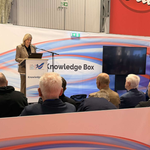
The impact of the rising tide of data and the growing role of AI in its interpretation came under the spotlight at the first ever Aquaculture - Driving Sustainable Growth Conference at IceFish 2026.
In the opening afternoon session at the debut event, a series of expert speakers gave their views on AI's impact of the sector, with a broad agreement that the sheer quantity of data was not an issue, though its assessment, determination of its meaning and resulting action remained a challenge.
Bringing a personal perspective to the presentation, Eirik Lillebudal, CEO of software innovators EquaFish, referenced his Norwegian military background with the observation that the successful fighter pilot was not the one with the better aircraft, but with the better assessment of the situation they faced.
EquaFish offered an improved operational culture where data was readily available in a useful manner to those who needed it. "The only difference between a fish farmer and a fighter pilot is that fish farmers maybe have more time to take the decisions, but the picture is still complex, and you really don't want to be surprised and always be five steps ahead of the fish," said Lillebudal following the Q&A.
"Sometimes today the data is so fragmented, all over the place, so the fish farmers don’t have time to connect all the data themselves and exactly analyse what's going on. So we just make it very easy for the fish farmer to understand their own facility, and it's up to them what decisions to take, and they can set it up as they want."
At the start of the session Paw Peterson, CEO at Oxyguard, observed that in the past the view was that if there was a problem it was due to a lack of data, and that was no longer the case, pointing to how AI was turning real-time data into more stable production across the 130 countries they had connections with.
Avascope's Head Biologist Bogdan Vornicu outlined how environmental and biological data was being integrated to allow more confident operational decisions, and George Mantas from the AquaBioTech Group showed how sophisticated analysis of fish movements provided early detection of environmental stress.
And then, from a processing technology point of view, Baader's Global Sales Director Nils Rabe told the session how next-generation systems are meeting the humane culling standards now demanded by half of UK retailers.